
No products in the cart.
Uncategorized
Shower Filter vs Water Softener in Australia: Understanding the Difference
05
Jun
Jun
Across Australia, water quality can vary significantly depending on where you live. Some regions experience relatively soft water, while others face moderate to high levels of water hardness.
As homeowners look for ways to improve water quality, two popular solutions often emerge: shower filters and water softeners.
Although they may seem similar, these systems are designed to solve different water-related challenges.
Understanding Water Hardness in Australia
Water hardness is a common issue in many Australian regions.
Hard water contains elevated levels of naturally occurring minerals such as calcium and magnesium. Over time, these minerals can lead to:
- Limescale buildup
- White residue on fixtures
- Reduced appliance efficiency
- Blocked shower heads and taps
The severity of hard water varies by state, city, and local water source, meaning household experiences can differ considerably across Australia.
What Does a Water Softener Do?
Water softeners are designed specifically to address hard water.
Using ion exchange technology, they remove calcium and magnesium from water before it enters the household plumbing system.
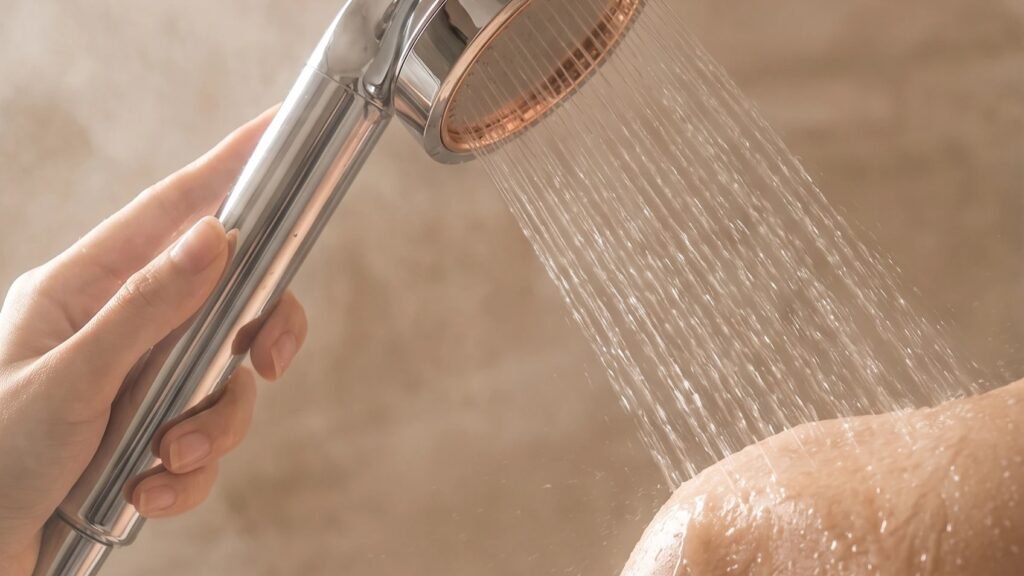
Benefits of water softeners include:
- Reduced scale buildup
- Improved appliance longevity
- Easier cleaning of bathrooms and kitchens
- Reduced spotting on glass surfaces
Because they treat water at the source, water softeners provide whole-house coverage.
What Does a Shower Filter Do?
A shower filter addresses a different set of concerns.
Rather than removing hardness minerals, shower filters focus on reducing chlorine and filtering fine particles present in shower water.
Installed directly onto the shower system, these filters provide targeted treatment only where water is used for bathing.
Potential benefits include:
- Reduced chlorine exposure
- Cleaner-feeling shower water
- Improved shower comfort
- Enhanced daily shower experience
Which Solution Is Better for Australian Homes?
The answer depends largely on your local water conditions.
If your primary concern is hard water and limescale buildup throughout the home, a water softener may be the better solution.
However, if your goal is to improve shower water quality, reduce chlorine exposure, and create a more comfortable shower experience, a shower filter may be a simpler and more cost-effective option.
Many Australian homeowners choose shower filters because they provide immediate benefits without requiring extensive plumbing installation.
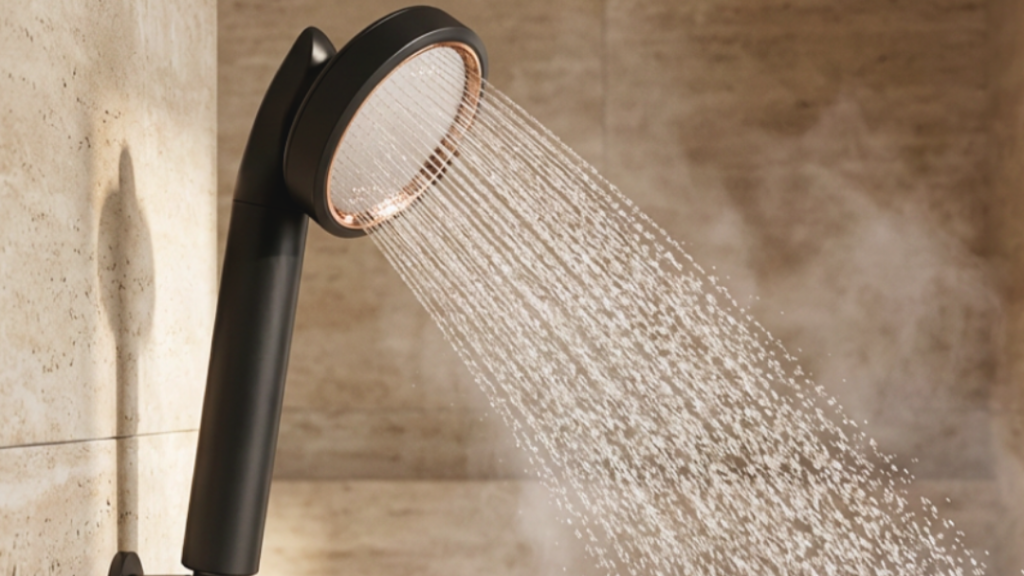
How SUHAE Improves Shower Water Quality
SUHAE shower filtration systems combine advanced filtration technology with thoughtful shower design.
The SUHAE Aura Rain Shower provides full-body rainfall coverage while helping minimise chlorine exposure through Vitamin C filtration technology.
The SUHAE Radiance Hand Shower combines stronger water pressure with chlorine-neutralising Vitamin C filtration and fine-particle filtration.
The SUHAE Nourish Hand Shower helps reduce chlorine and impurities while supporting a gentler shower environment for skin and hair.
These systems provide a practical solution for Australians seeking to improve their daily shower routine without investing in a whole-house water treatment system.
Conclusion
While water softeners and shower filters both improve water conditions, they solve different problems.
Water softeners target hard water minerals throughout the entire home, while shower filters focus on chlorine reduction and shower water quality.
For Australians looking for a simple and convenient way to enhance their shower experience, a quality shower filtration system can be an effective lifestyle upgrade that delivers comfort every day.
